Affordable Roofer Services for Residential Roofing
Determining the Right Roofing Type: A Complete Guide for Homeowners
Determining the appropriate roofing material is vital for homeowners. It influences not only the house's appearance but also its resilience and energy efficiency. With diverse options on the market, each with unique benefits and disadvantages, the decision can be overwhelming. Property owners must examine factors such as weather conditions, design, and budget. Understanding these elements can create a more educated choice. What exact options stand out, and how do they suit individual requirements?
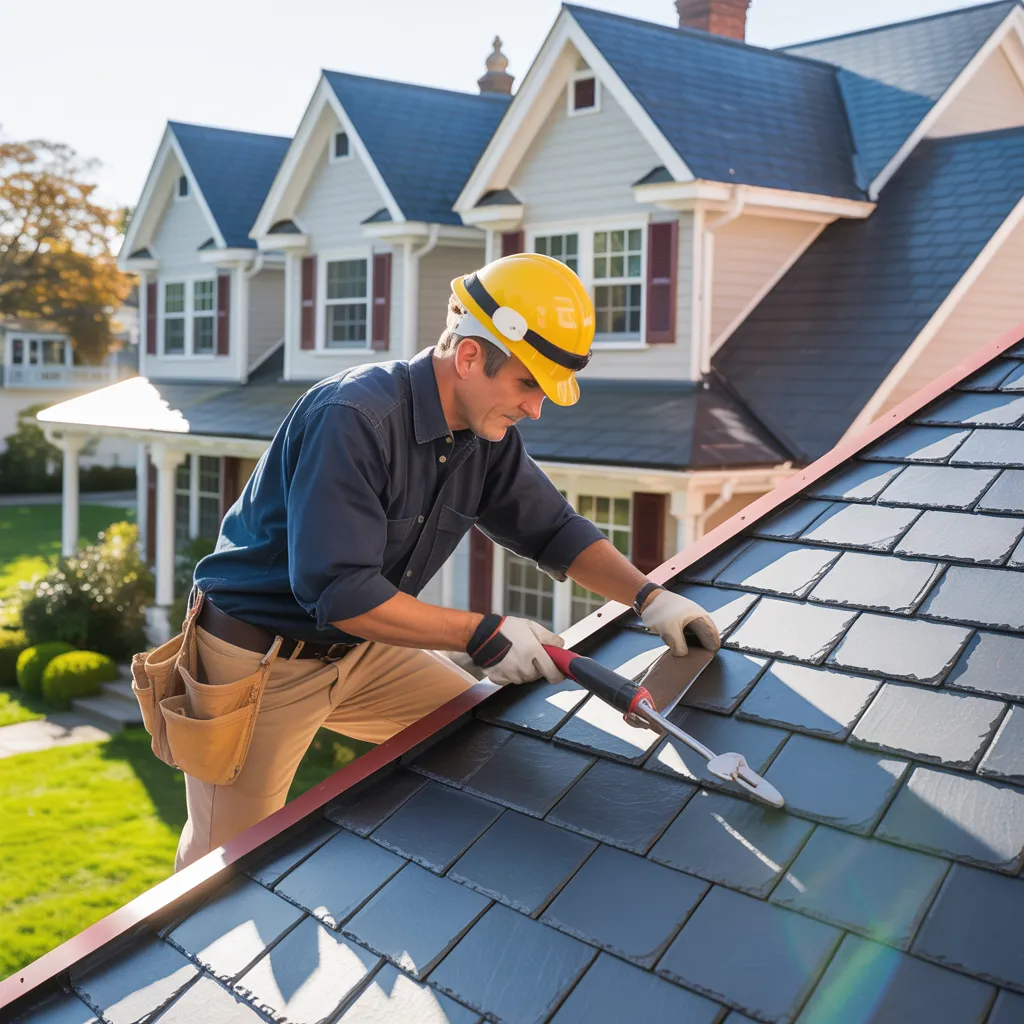
Study Sought-After Roofing Varieties
When deciding on a roofing material, homeowners face a diverse array of possibilities, each with distinctive attributes and benefits. Asphalt shingles are still one of the most favored selections thanks to their cost efficiency and simple installation process. They offer strong weather resistance and come in numerous colors, appealing to a broad range of tastes. Metal roofing, valued for its durability and long lifespan, is another option, often chosen for its energy efficiency and sleek look. Tile roofing, typically found in warmer areas, provides great insulation and a unique appearance but is often more expensive and heavier. Wood shakes have a rustic allure, though they require more upkeep and are vulnerable to fire and decay. Lastly, slate roofing, while pricey, is prized for its sophistication and strength, making it a wise long-term investment. Each material has its own set of advantages, helping homeowners make well-informed decisions based on their unique needs and preferences.
How to compare Cost and Value?
Balancing cost and value in roofing material procurement demands careful consideration of many variables. Evaluating enduring solidity, evaluating the impact of thermal efficiency, and weighing labor and materials costs are fundamental measures in arriving at an sound decision. Each of these elements affects the aggregate investment and continuing satisfaction with the roofing determination.
Review Long-Term Lasting Quality
While many homeowners focus primarily on upfront costs, assessing extended longevity is essential for making a wise investment in roof options. Long-lasting roof choices, such as metal, slate, or tile, may have higher initial prices but often offer extended durability, minimizing the requirement for frequent repairs or replacements. In contrast, less expensive materials, like asphalt shingles, may require replacement within 15 to 30 years, resulting in higher long-term costs. Homeowners should consider the roof's durability, resistance to weather elements, and upkeep needs when assessing worth. Additionally, guarantees can provide information into longevity, signaling producer trust in the material. Ultimately, selecting a long-lasting roof option weighs upfront costs with long-term financial benefits, ensuring a more sound investment for years to come.
Determine Energy Efficiency Effects
Understanding the energy efficiency impact is essential for homeowners looking to balance cost and value in their roofing decisions. Using energy-efficient roofing materials can greatly reduce heating and cooling costs, resulting in long-term savings. Homeowners should consider materials like metal, tile, or reflective shingles that improve insulation and reduce heat gain. While the initial expenditure may be higher, the potential for long-term energy savings often justifies the investment. Moreover, energy-efficient roofs help improve home comfort and support environmental sustainability. Homeowners are encouraged to consider local weather and energy prices to make educated choices. In the end, choosing the best roofing material involves balancing initial expenses against potential energy savings and total value.
Examine Setup Rates
When choosing roof options, comprehending installation costs is essential for property owners aiming to weigh price and quality. Various roofing types come with different labor costs, often influenced by intricacy and workforce demands. For example, asphalt roofing typically have lower labor expenses versus metal or slate roofs, which may require specialized skills. Homeowners should also consider long-term value; while budget-friendly options might save money upfront, they may require more frequent repairs or replacements. Additionally, elements like regional wage costs and construction regulations can impact overall expenses. Assessing these factors helps homeowners choose wisely that align with their budget while ensuring durability and aesthetic appeal in their roof selection.
Roofing Durability and Lifespan
Learning about roof durability and lifespan is essential for homeowners making informed choices about roofing materials. Different materials supply different durability degrees, which directly influences their longevity. For example, asphalt shingles typically last 15 to 30 years, while metal roofs can survive 40 to 70 years, depending on the quality and maintenance.
Additionally, aspects such as environmental conditions, installation quality, and regular upkeep are critical in determining a roof's lifespan. Homeowners should review the material's protective qualities to environmental stressors like air pressure, rain, and UV rays, as these can seriously alter durability.
In the end, choosing a roof type that blends durability and an extended lifespan can produce lower maintenance costs and infrequent replacements over the years. Homeowners are encouraged to assess their unique needs and speak with specialists to determine the right material for their circumstances, ensuring long-term contentment and protection for their homes.
Deciding on Roof Materials Appropriate to Your Climate
Deciding on the right roofing material is important, particularly as climate variations can considerably determine a roof's strength and longevity. Homeowners located in locations with harsh climates should assess materials that can tolerate both warm and cold conditions. For illustration, metal roofs bounce back sunlight, making them suitable for hot climates, while asphalt shingles give insulation advantages in colder areas.
In regions prone to intense precipitation or snow, materials like slate or tile provide superior durability and moisture protection. Conversely, those in dry, arid regions might benefit from lightweight materials that minimize heat absorption. Wind resistance is another consideration; homeowners in hurricane-prone areas should choose materials rated for high winds to avoid damage during storms.
Ultimately, comprehending local climate conditions enables homeowners to make well-reasoned decisions, guaranteeing their roofing material not only enhances the home's aesthetic but also provides lasting defense against environmental threats.
Modern Roofing Choices to transform your home's exterior
Visually appealing roofing styles function as an vital role in boosting a home's general charm. Diverse building designs and a array of shade and surface options permit homeowners to customize their roofs to match their designs. Grasping these elements can considerably influence both the visual impact and value of a property.
Prevalent Architectural Styles
Roofs represent the crowning touch of a home, strongly affecting its overall architectural style. Architectural styles vary and prescribe particular roofing designs that shape the character and usability of residences. For instance, Colonial homes usually bear gable roofs that enhance symmetry, while Victorian houses typically have elaborate, multi-faceted roofs that mirror their ornate character. Contemporary designs commonly favor flat or low-slope roofs, highlighting minimalism and sleek lines. Mediterranean homes, known for their red-tiled roofs, convey a warm and welcoming vibe. Each style is not only aesthetically driven but also adapts to regional climates and environmental conditions for durability and efficiency. Picking roofing materials that align with these architectural styles is essential to achieve cohesive and attractive home aesthetics.
Color and Texture Selections
A wide range of finish and style options are available for roofing materials, each adding to the visual appeal of a home. Homeowners can pick from a spectrum of hues, spanning from classic neutrals to vibrant shades that make a statement. Surface textures, such as slate or wood shakes, provide depth and character, boosting the overall aesthetic. Metal roofing, available in various colors and finishes, can mimic traditional materials while offering modern durability. Additionally, the choice of roofing material determines the texture; for instance, asphalt shingles deliver a smooth surface, while tile can present a more rugged appearance. Ultimately, selecting the right color and texture not only conveys personal style but also impacts the home's curb appeal and value.
Matches Your Home Design
What method can one use to ensure that their roof selection works alongside the overall design of their home? Homeowners should review the architectural style, color palette, and neighborhood aesthetics when determining roofing materials. For traditional homes, options like asphalt shingles or wood shakes may reinforce the classic look, while modern designs might derive benefits from metal or flat roofs. Additionally, the roofing material's texture can improve visual appeal; for instance, slate offers a sophisticated finish that suits upscale designs. It is critical to coordinate the roofing choice with existing elements, such as siding and trim, ensuring a cohesive appearance. Ultimately, a well-chosen roof not only enhances a home's charm but also boosts its market value, making thoughtful selection essential.
Concluding Aspects Before Opting For Your Roof
Homeowners should consider professional guide important considerations when choosing a roofing material, since these factors can substantially influence longevity, aesthetics, and expense. Climate has a important part; areas subject to harsh climates require substances able to enduring harsh elements. Moreover, local building codes and requirements can determine specific roof choices, affecting the choice-making journey.
Homeowners should further examine the prolonged expenses associated with maintenance and energy efficiency. Some products, while upfront less costly, may incur elevated upkeep expenses over time. Style choices should not be overlooked; the selected choice should align with the complete look of the home.
Finally, talking to a specialist can deliver important information, confirming that the selected roof type suits personal needs and property specifications. By reviewing these points, homeowners can choose with confidence that increases their home's strength and long-term performance.
Commonly Asked Questions
How Do Roof Types Affect Home Insurance Premiums?
The selection of roofing materials substantially influences home insurance premiums. Durable materials often lead to reduced rates, as they mitigate the risk of damage. Alternatively, less resilient options may lead to higher premiums due to increased potential for claims.
Can I place a fresh roofing over my existing one?
Yes, a modern roofing system can often be placed over an existing one, provided that it meets local construction standards and structural stability requirements. However, consulting an expert is advisable to guarantee correct installation and avoid potential complications.
What Are the Ecological Impacts of Different Roof Types?
Multiple roofing materials have varying environmental impacts. Asphalt shingles contribute to landfill waste, while metal roofs present recyclability. Green roofs improve insulation and biodiversity, whereas traditional tiles may necessitate high energy for production, affecting carbon footprints.
How Do I Care For My Roof After Being Installed?
To maintain a roof after setup, you should frequently inspect for damage, clean out gutters, get rid of debris, look for leaks, and arrange yearly professional inspections, guaranteeing durability and peak performance of the roofing system.
What Coverage Plans Do Typically Come With Roofing Materials?
Typically, roofing materials come with guarantees spanning 20 to 50 years, covering defects and sometimes installation. Manufacturers often provide separate warranties for labor, ensuring homeowners are protected against potential issues during the specified period.